From my perspective as a local news consumer, I remember that the coverage surrounding the Columbia student protesters exploded when protesters first unveiled the “Hind’s Hall” banner over Hamilton Hall at Columbia University.
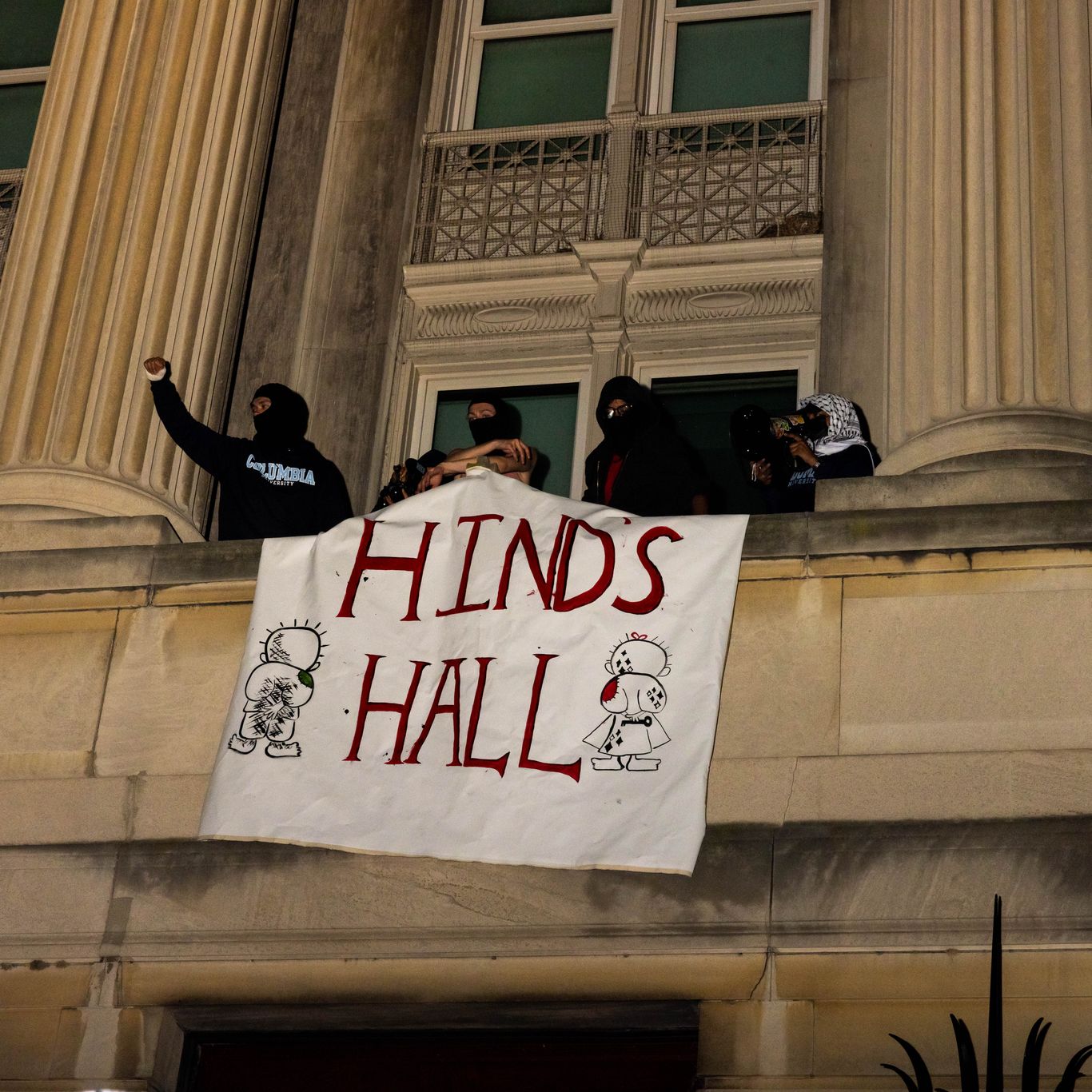
In my view, the news coverage circulating this particular image of students dropping this specific banner proves the limitations of the linear model of communication because the discussions I had at school at the time regarding this news coverage contended with both the report’s blindness to the political repression at CUNY and the strong efficacy of the Columbia protesters’ tactics. I think this proves how the linear model of communication is unable to translate neatly into interpersonal communication because my conversations with other CUNY students about this coverage directly competes with the linear model’s notion that messages are defined by one-way transmission. Not only is our position as CUNY students conducive precisely because CUNY is constantly overlooked in media circulation, but our distinct lived experiences and personal filters. Like the transactional model of communication proposes, how we receive messages is always informed by noise and personal filters. While the news coverage may have intended to deliver information about the Columbia protestors’ demands, my position as a CUNY student complicated how I interpreted and relayed the message. Furthermore, I think that the recurring conflicted emotions I encountered through conversations about this news coverage’s attention circulation allowed me to realize that the audience does receive a message as the linear model suggests, even if it is shaped by noise and personal filters.

This entry is licensed under a Creative Commons Attribution-NonCommercial-ShareAlike 4.0 International license.

